Compensation After a Traffic Accident in Turkey: Insurance Claims, Heads of Damage and Time Limits
Attorney Berk İşcan · 22 October 2026 · 4 min read
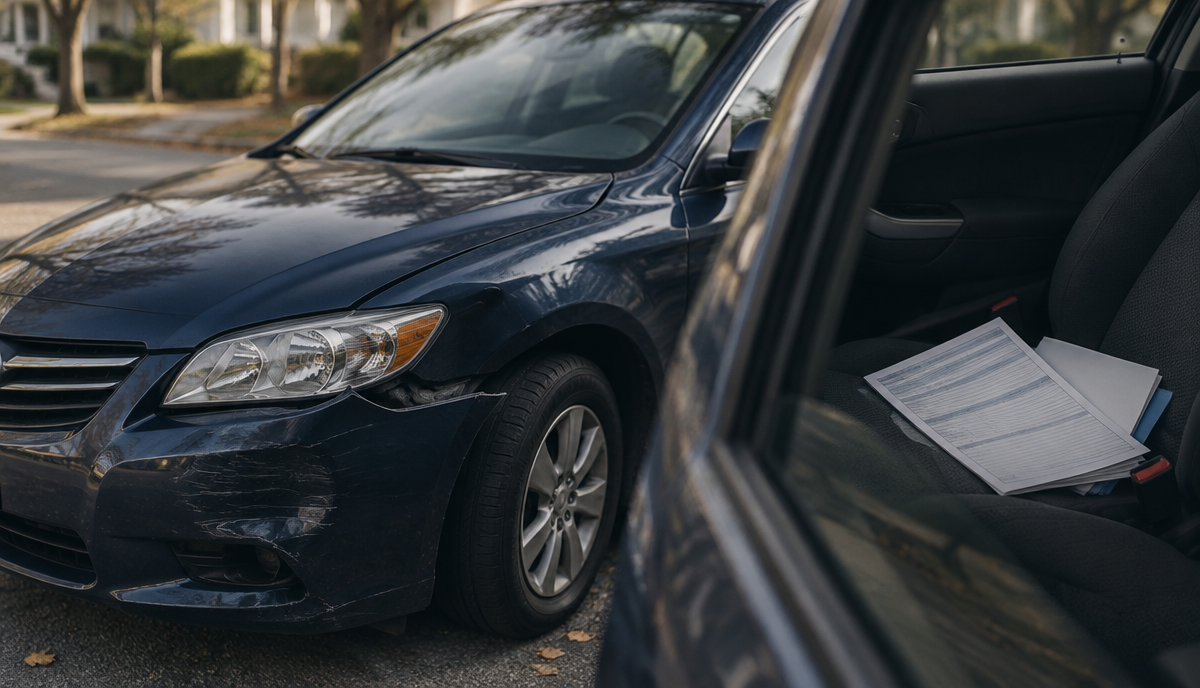
Traffic accidents are among the most common causes of compensation claims. Anyone who is injured, loses a relative or whose vehicle is damaged needs to know which losses can be claimed, from whom and within what time, in order to avoid losing their rights. This article sets out the basic framework of compensation claims arising from traffic accidents.
1. Who is liable?
Under Article 85 of the Highway Traffic Law (HTL), where the operation of a motor vehicle causes death, injury or damage to property, the vehicle's keeper and, where the vehicle is operated within an enterprise, the owner of that enterprise are jointly and severally liable for the damage. The keeper is liable for the driver's fault as for their own. This liability is also covered by the insurer within the limits of compulsory motor liability (traffic) insurance.
Where the vehicle involved is uninsured or cannot be identified, an application to the Guarantee Account may be possible for certain types of damage.
2. Before filing suit: written claim to the insurer
Under HTL Article 97, within the limits of compulsory liability insurance, the injured party must make a written application to the insurer before filing suit. If the insurer does not respond in writing within 15 days of the application, or if the response does not meet the claim, the injured party may:
- file a lawsuit, or
- apply to the Insurance Arbitration Commission.
Submitting the application with complete evidence, such as the accident report, medical reports, invoices and income documents, speeds up the process.
3. Heads of damage
In case of injury
Under Article 54 of the Turkish Code of Obligations (TCO), bodily injury damages include in particular medical expenses, loss of earnings, losses arising from reduced or lost capacity to work and losses arising from impairment of economic prospects.
In case of death
Under TCO Article 53, funeral expenses, medical expenses and loss of working capacity where death did not occur immediately, and the losses of persons deprived of the deceased's support (loss of support compensation) may be claimed.
Vehicle damage
Repair costs, the loss of value of the vehicle and losses arising from being unable to use the vehicle during repair may be claimed.
Non-pecuniary damages
The injured party may claim non-pecuniary damages for harm to bodily integrity; in cases of serious bodily harm or death, the relatives of the injured or deceased may also do so (TCO Art. 56). Compulsory traffic insurance does not cover non-pecuniary damages; this claim is directed against the keeper and the driver.
4. Calculation and the 2026 amendments
Loss of support and bodily injury damages are calculated in accordance with the principles of liability law, usually on the basis of an actuarial expert report. Social security payments that cannot be recovered in whole or in part may not be deducted from the damage (TCO Art. 55).
Law No. 7589 of 16.07.2026 added two new paragraphs to TCO Article 55:
- For loss of working capacity and loss of support, statutory interest runs from the date of the incident on the compensation for the period in which earnings are known, and from the date of judgment on the compensation for the period in which earnings cannot be known.
- Payments made for the purpose of performance before the taking of evidence begins are deducted proportionally from the compensation determined as at the date of payment.
5. Limitation periods
Under HTL Article 109, claims for material damage arising from motor vehicle accidents become time-barred two years after the injured party learns of the damage and the person liable, and in any event ten years after the accident. Where the act constitutes an offence for which criminal law provides a longer limitation period (such as negligent injury or death), that longer period also applies to claims for material damage. Interrupting the limitation period against the person liable also interrupts it against the insurer.
6. Relationship with criminal proceedings
In accidents involving injury, a criminal investigation for negligent injury is also conducted. Negligent injury falls within the scope of victim-offender mediation under Article 253 of the Code of Criminal Procedure. If mediation succeeds, no action for compensation may be brought for the offence, except for damage that could not be determined at the time of mediation or that arises later. The overall compensation position should therefore be assessed before accepting a mediation offer.
Conclusion
Collecting evidence immediately after the accident, making a proper written claim to the insurer and monitoring time limits are decisive for a sound compensation process. In particular, when a mediation offer is made in the criminal file, the effect of accepting it on compensation claims should be assessed in advance.
This article is provided for general information purposes only and does not constitute legal advice. Legal support is recommended for specific disputes.
This article is for general information only, it does not constitute legal advice.